
We all have a role to play as allies to trans, Two-Spirit, and non-binary youth.
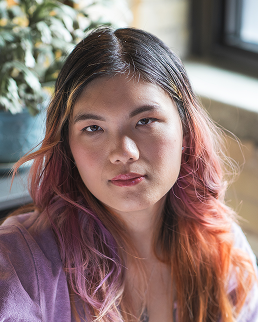
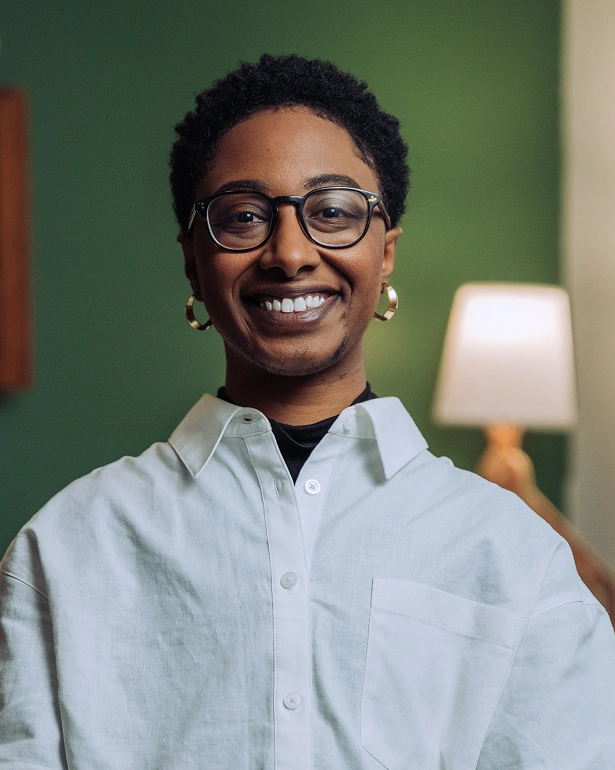
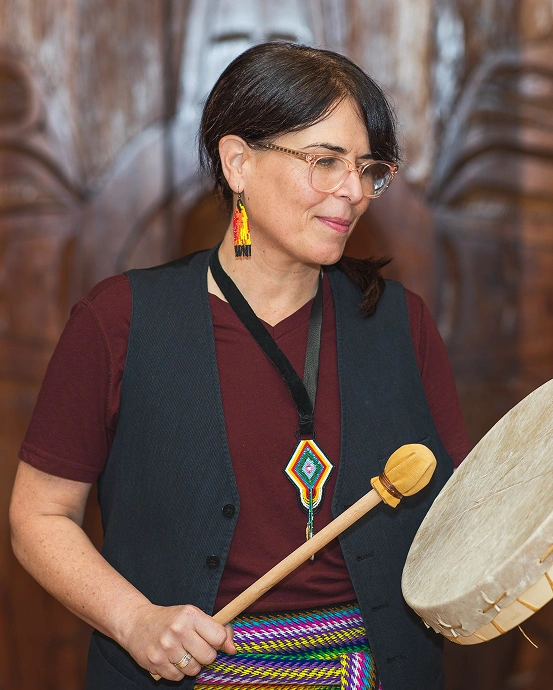
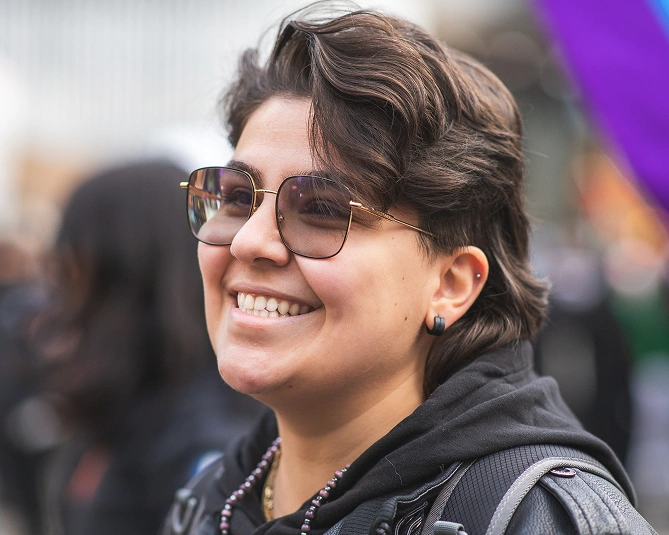
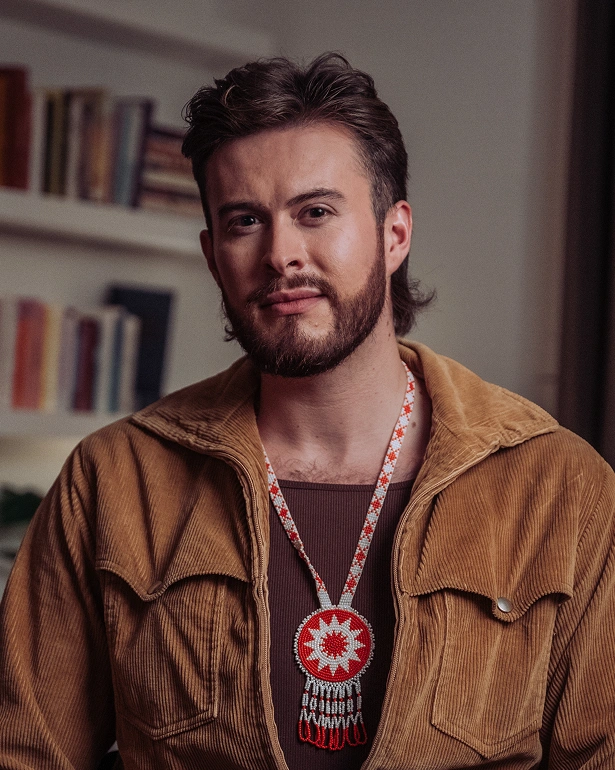
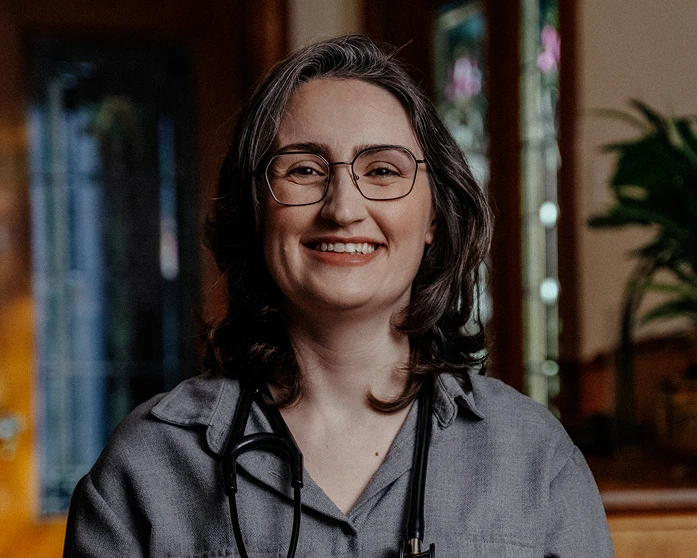
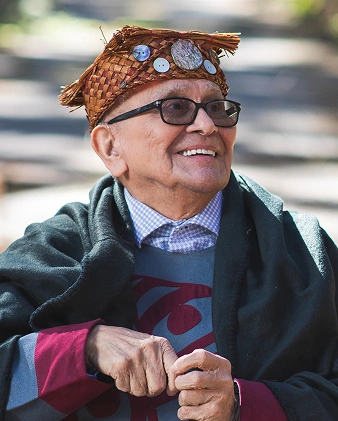
Welcome to We Are Allies, a resource created to help you learn, through storytelling videos and research summaries, more about how to support trans youth.
Through videos from people with direct experience, research summaries on topics related to the health and wellbeing of trans youth, and a health literacy learning module, we invite you to clarify what you know and learn something new.
Jump Into a Topic
Gender Diversity
Gender-Affirming Care
Allyship
Addressing Misinformation
Hear Personal Stories
Access Resources
How to Use This Website
Everyone comes to We Are Allies with different questions in mind. Browse common questions below to find the resources most relevant to you.
I’m new to this, I want to know what ‘transgender’ and other terms mean…
Go to the Gender Diversity page and read foundational content there
Watch a video explaining what ‘transgender’ means
Read the research about gender diversity throughout time and across cultures

I’ve heard something about gender-affirming medical care and want to know what the evidence says…
Go to the Gender-Affirming Care page and watch a video about what gender-affirming care is
Go to the Addressing Misinformation page to learn about how to navigate online health information
Read the research about social transition, access to gender-affirming care, hormone therapy and puberty blockers
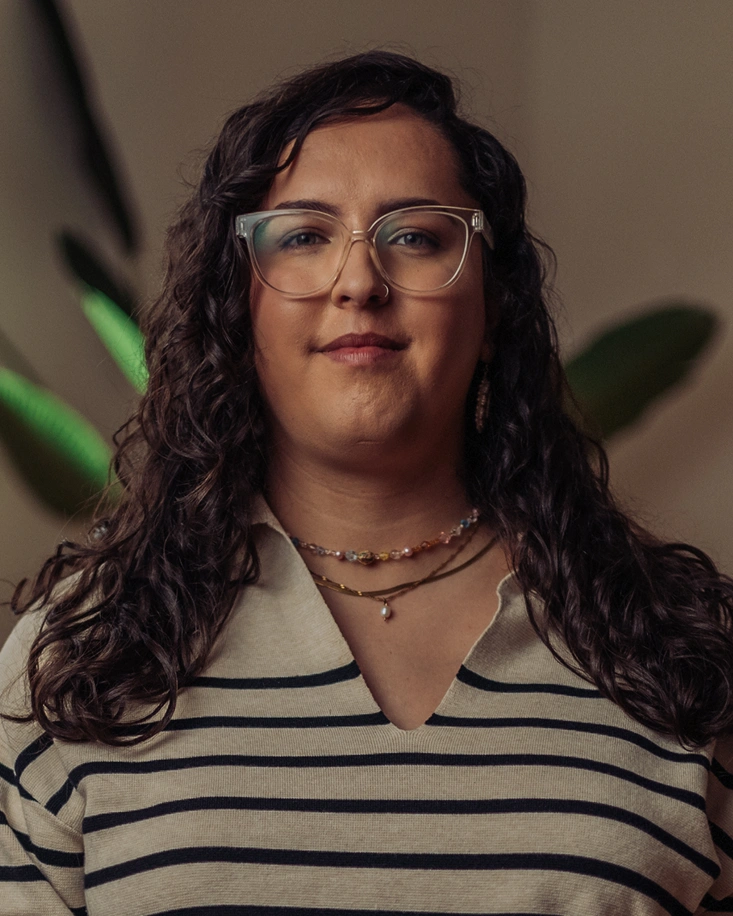
I’m having a conversation about gender diversity and gender-affirming care with people in my life. I want to be better prepared…
Read the Research Summaries that provide an overview of the current evidence on key topics. These are all available as .pdfs for printing should you want to have them on hand or give to a friend, patient or family member.
Go to the Allyship page to explore ways that you can support yourself and others to learn more
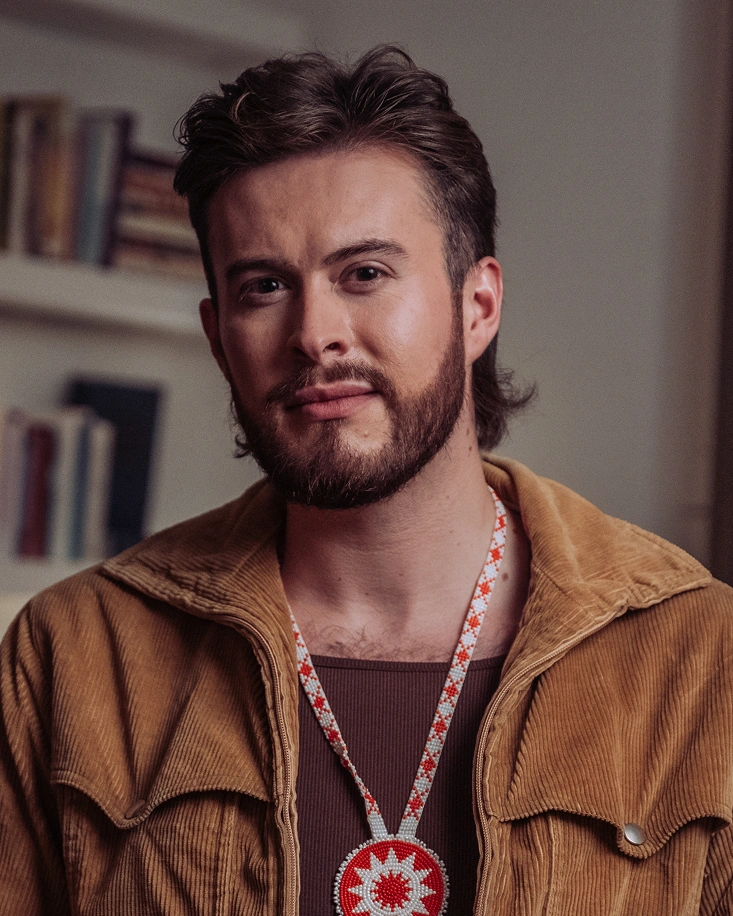
I want to see and hear from real people with direct experience…
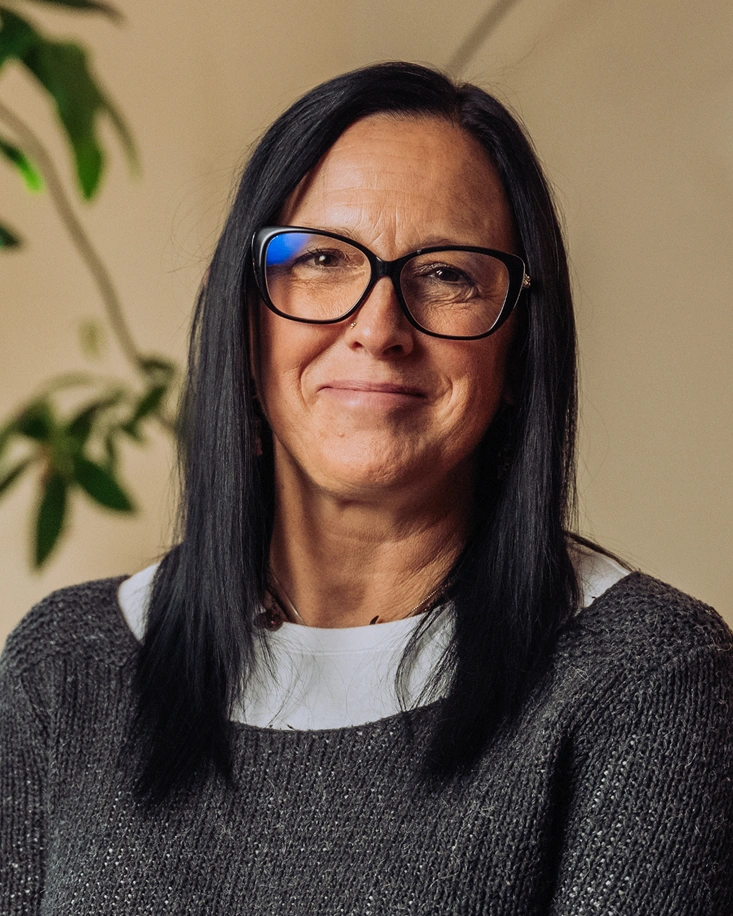
Go to the Personal Stories page and browse videos from people with direct experience such as trans young people, parents and family members, healthcare providers and Indigenous community leaders.